Concrete Aprons in St. Paul: Replace the Apron or the Whole Driveway?
Most apron calls start with an asphalt driveway that’s sunk in front of the garage. A new apron fixes that spot, but the old driveway keeps shifting around it. Get an honest apron-or-full-replacement answer from a crew that pours driveways built to last 50 years.
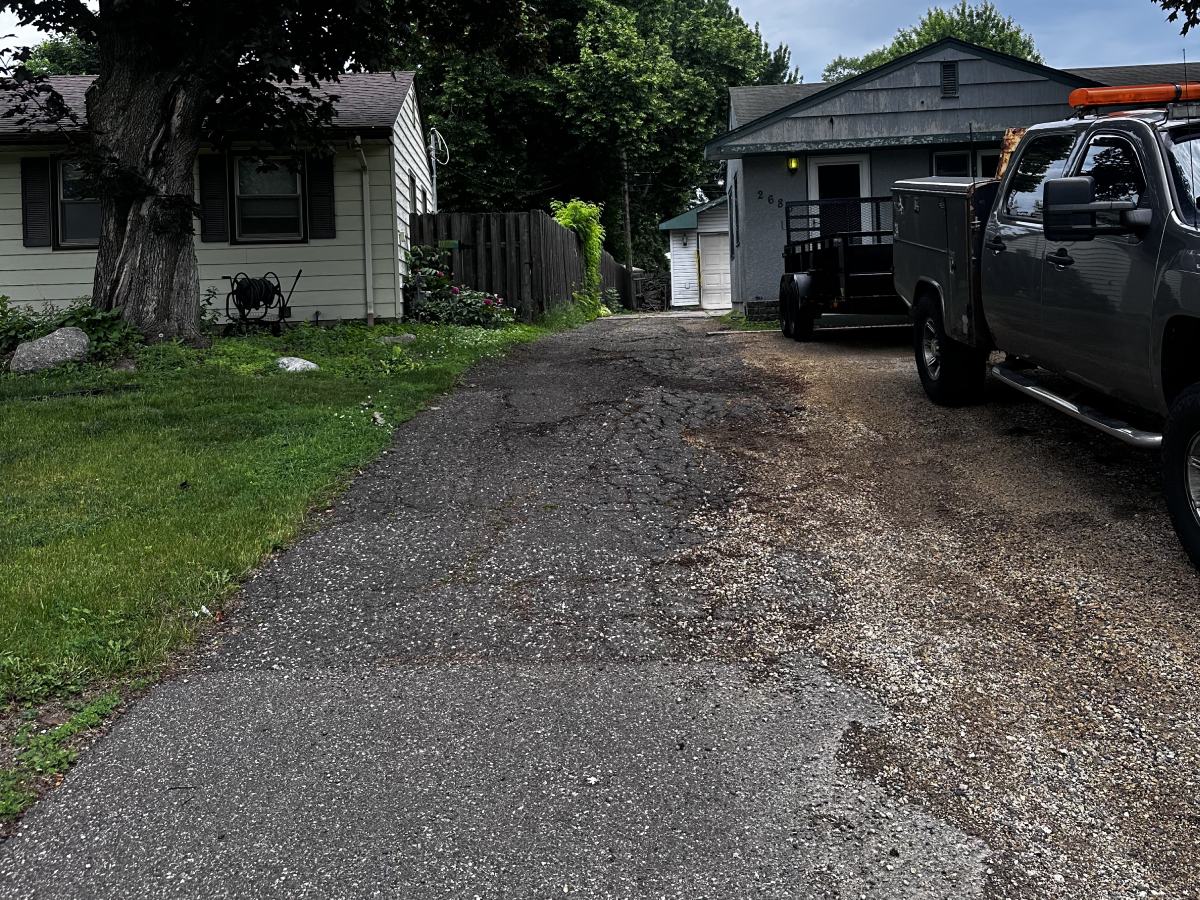
St. Paul sends driveway access to the alley wherever an improved one exists, so on plenty of lots the garage apron is the busiest few feet of pavement you own. Every turn, every stop, and every bit of snowmelt dripping off the car lands right there. When the asphalt by the door starts to sink, replacing just the apron feels like the obvious fix.
After more than 30 years of pouring Twin Cities driveways, we’ve learned to read a sunken apron as a clue, not the whole story. Before recommending anything, we check the base, the drainage at the garage edge, and how the rest of the driveway is holding up. Then you get a straight answer on whether an apron alone will hold or the whole driveway should go.
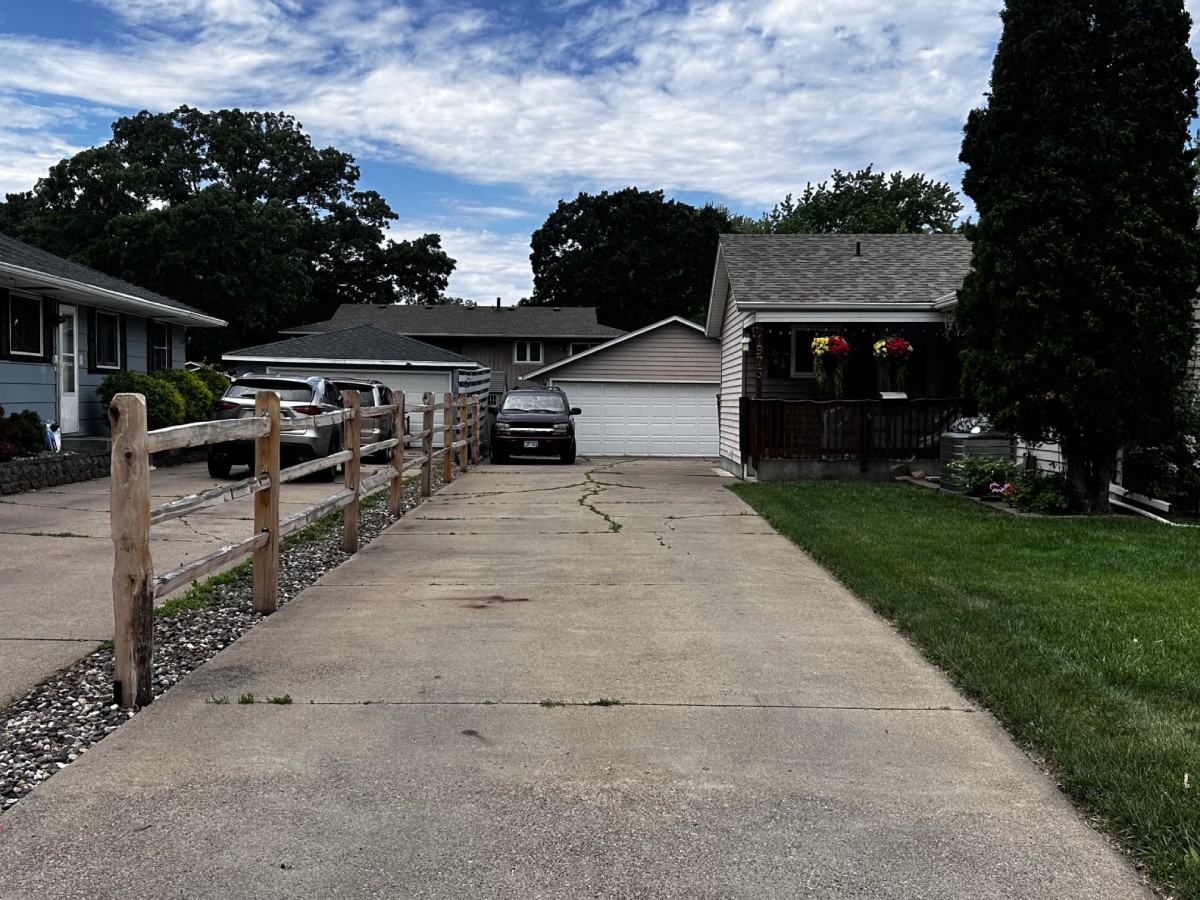
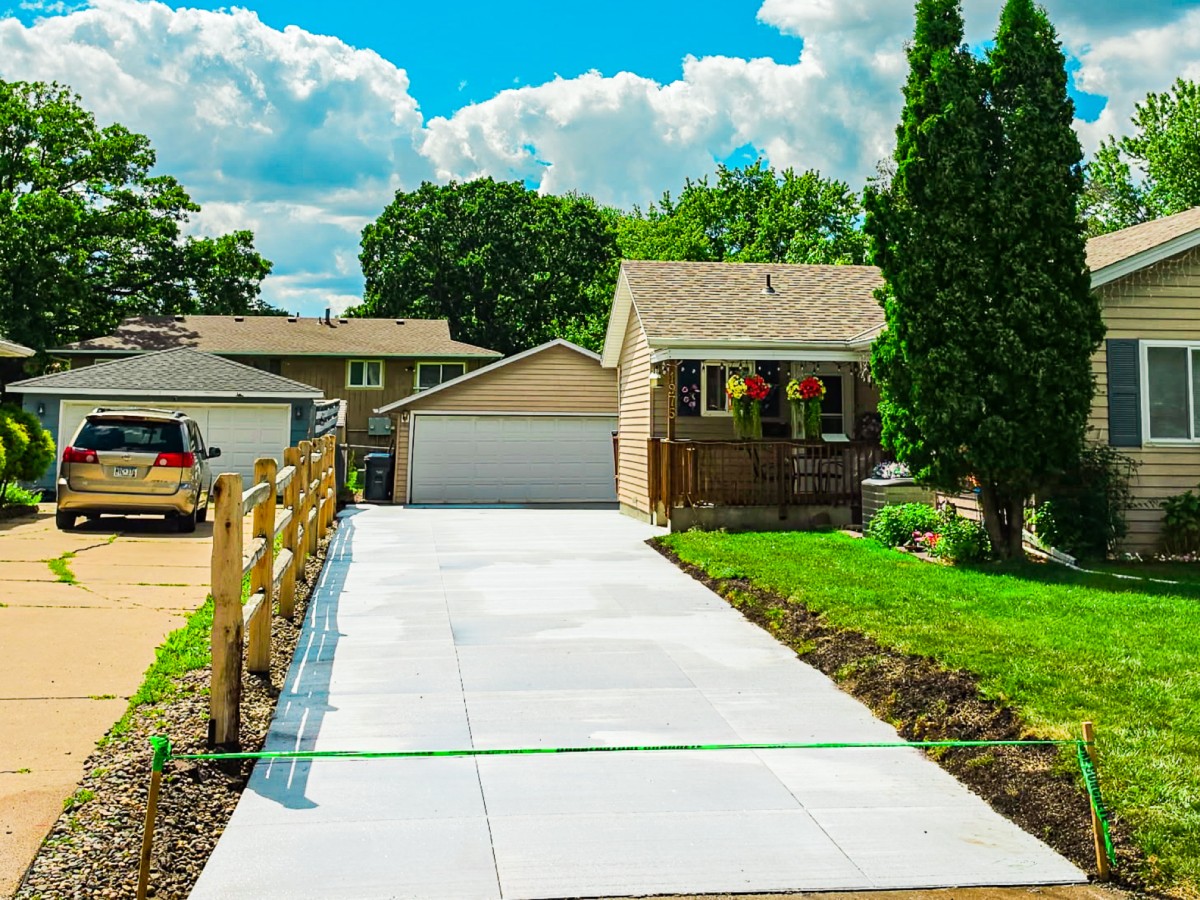
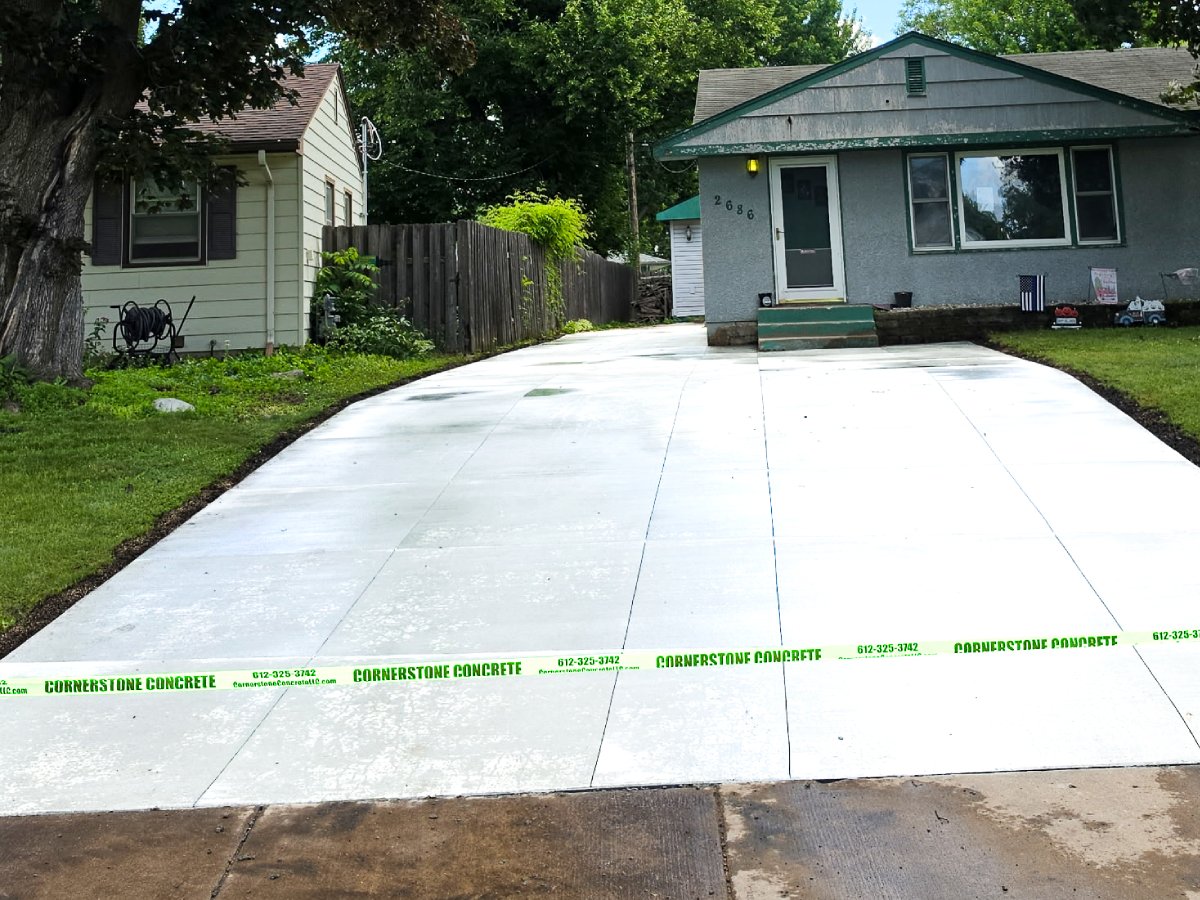
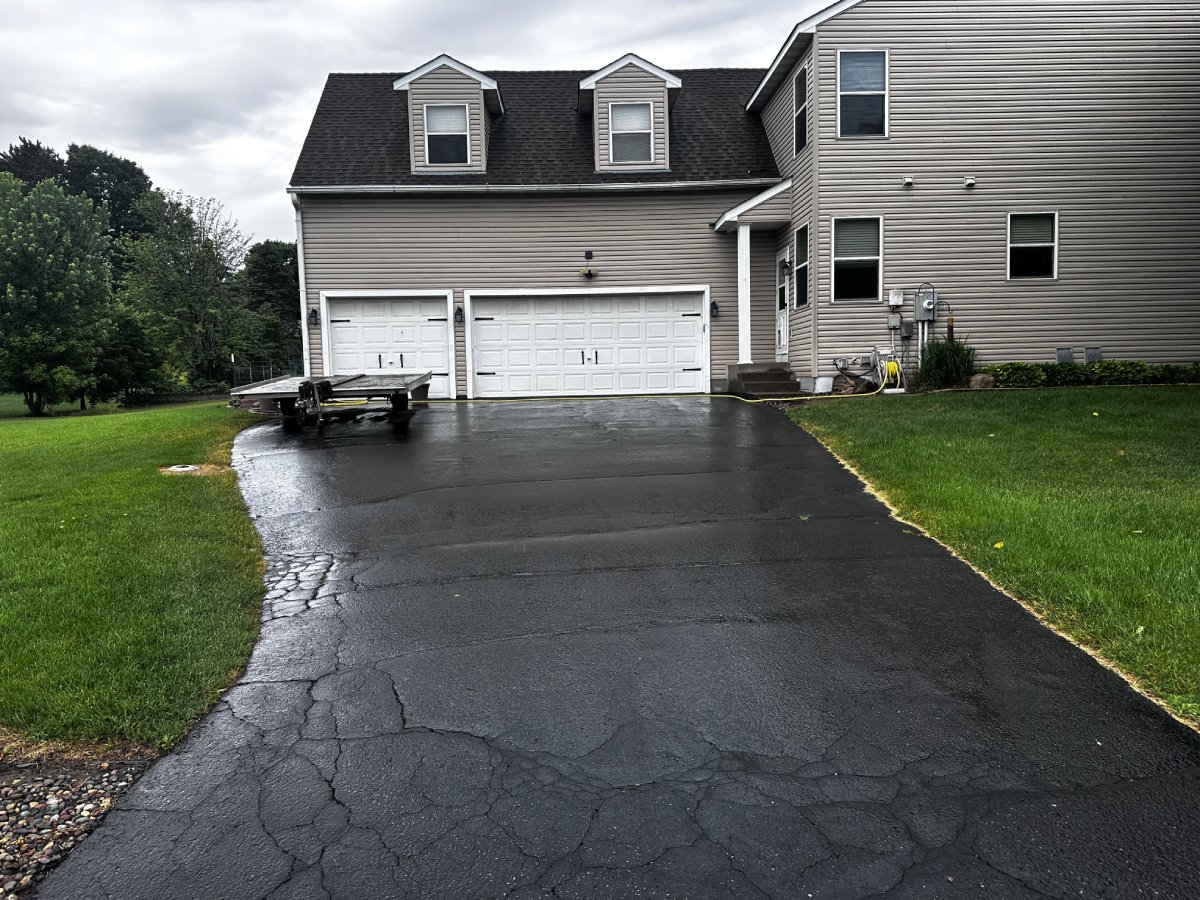
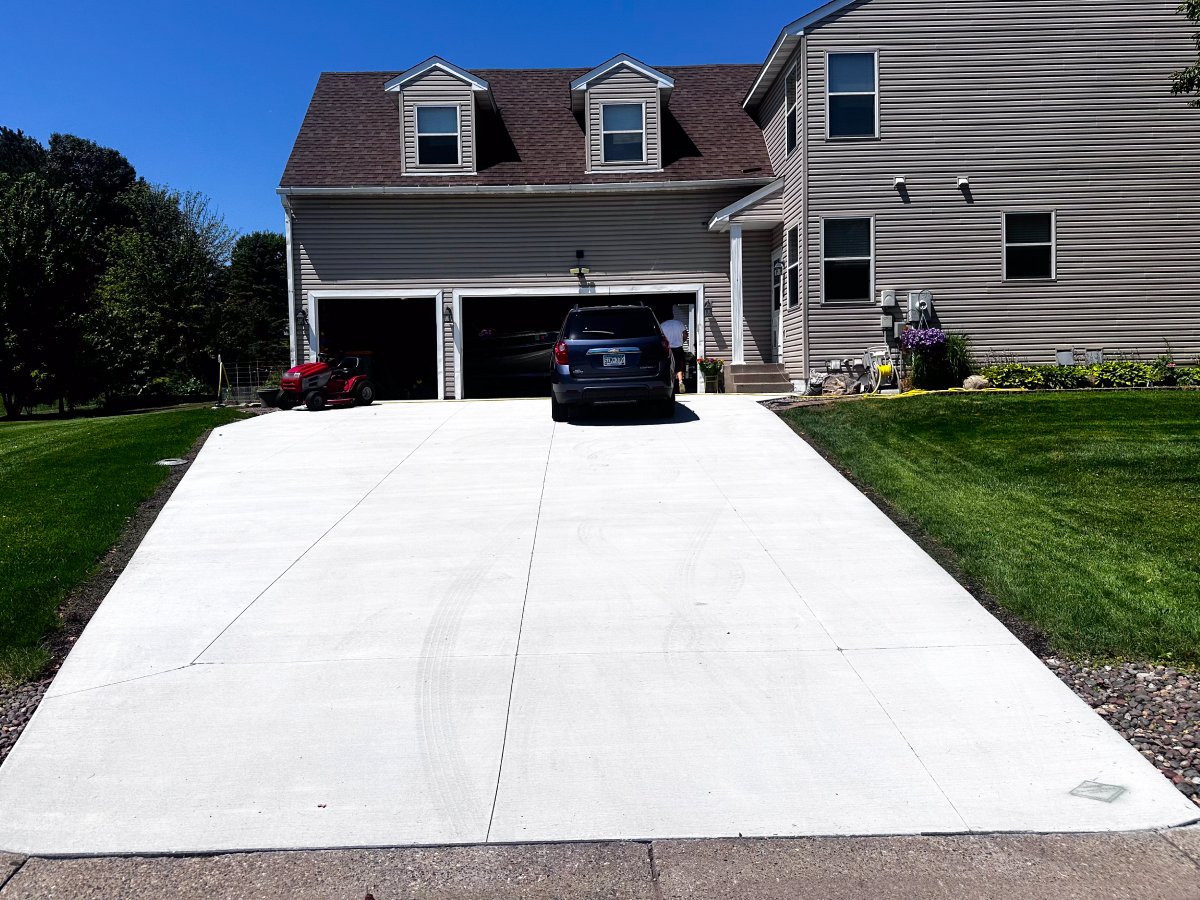
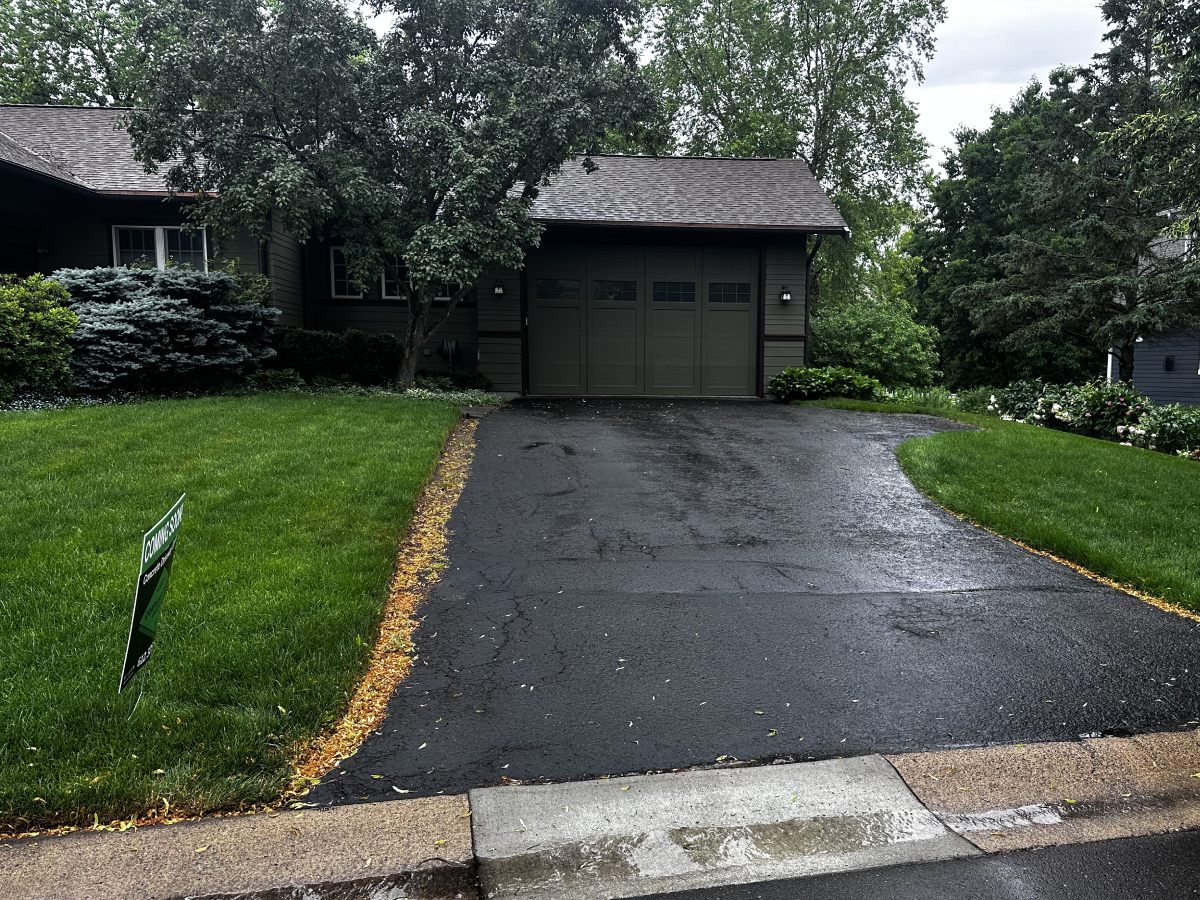
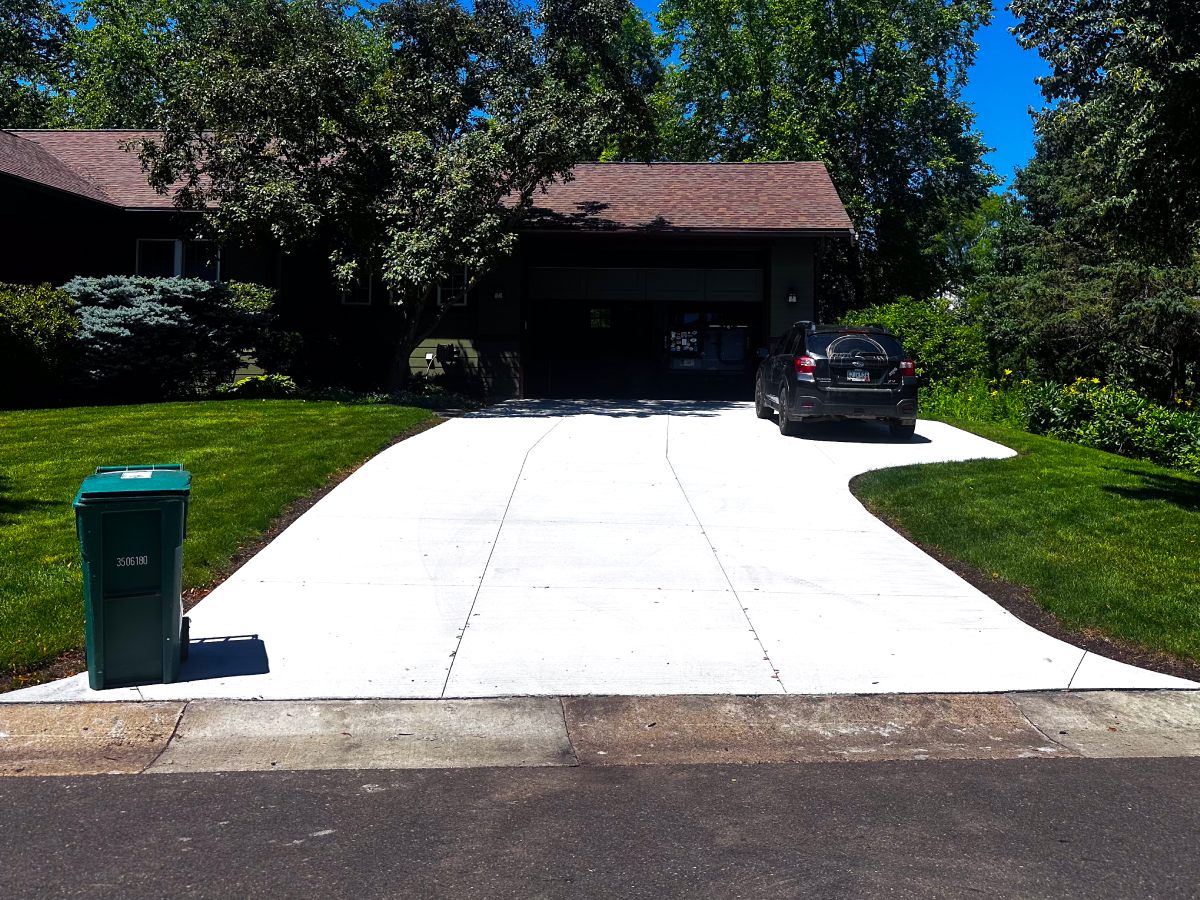
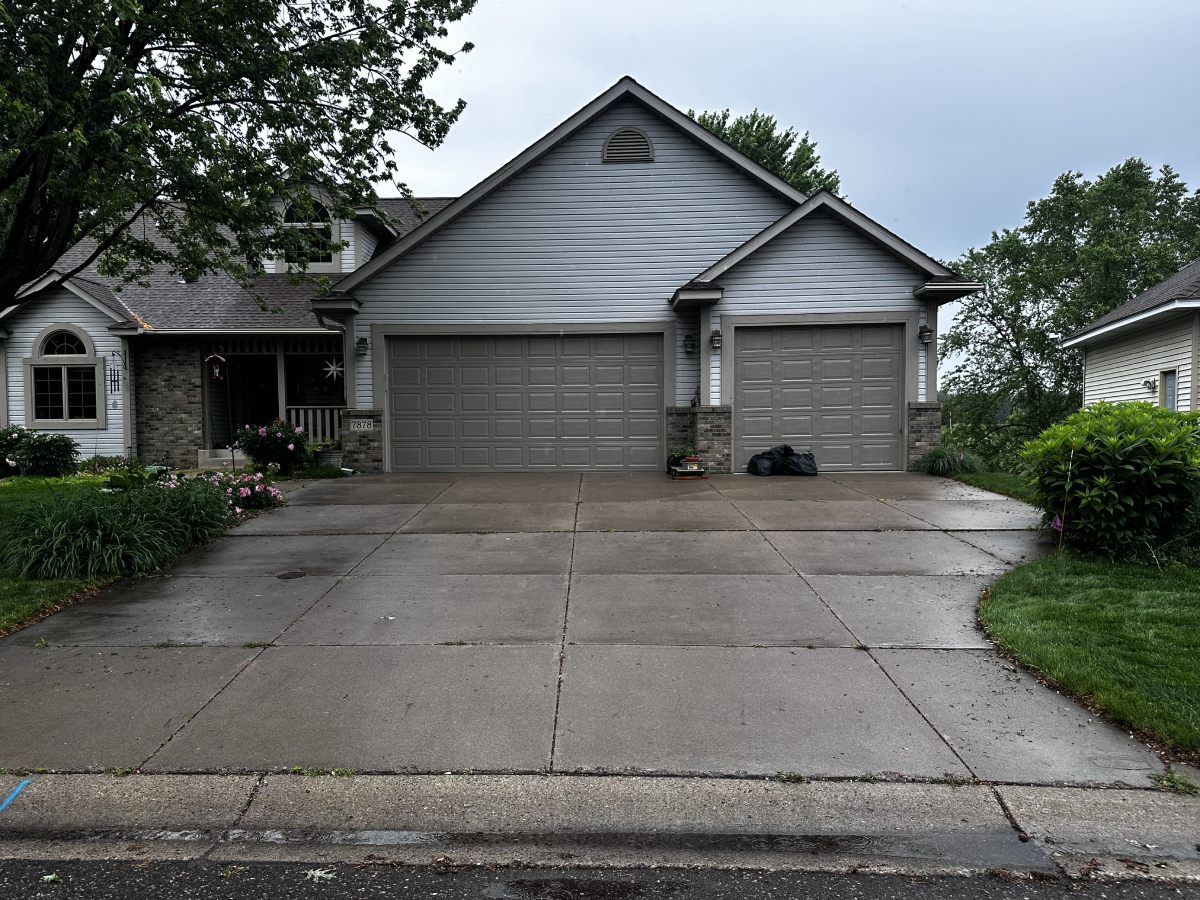
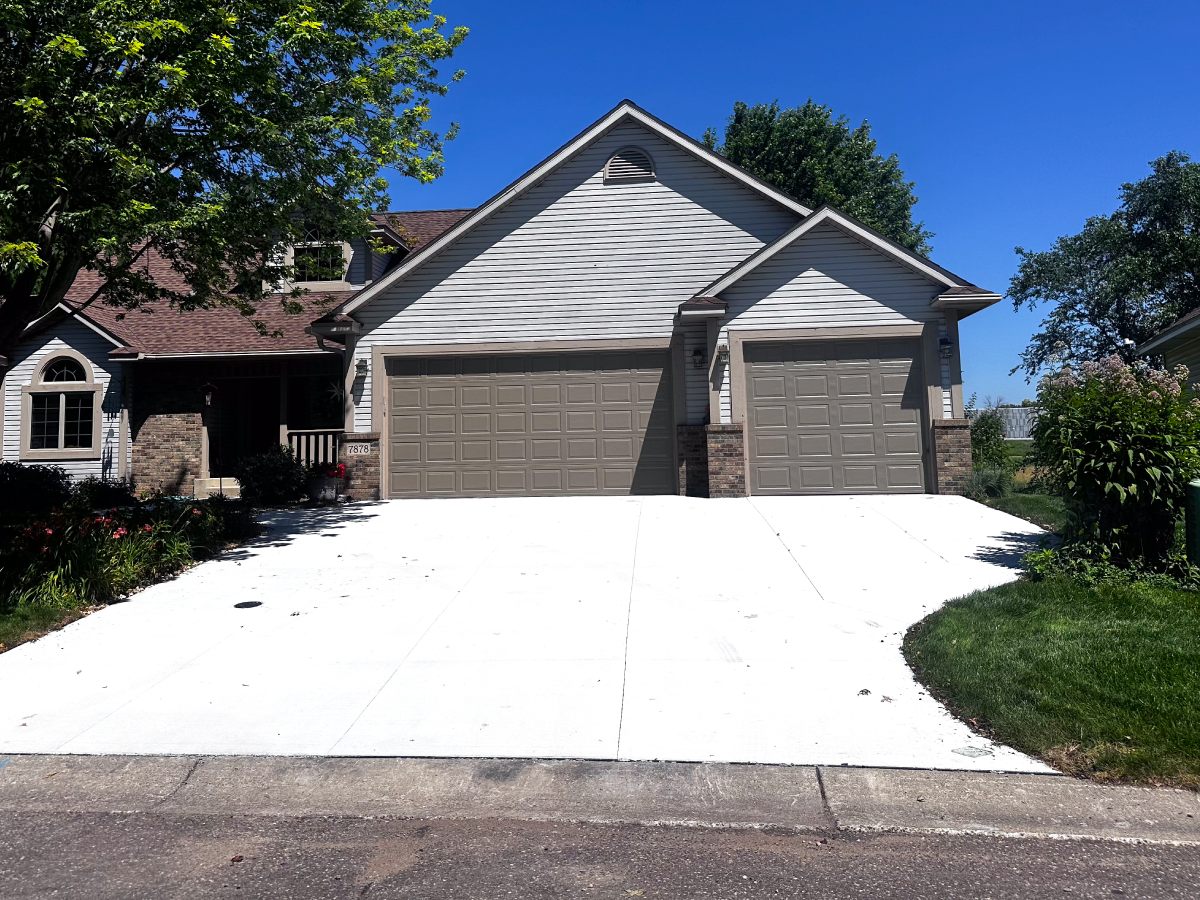
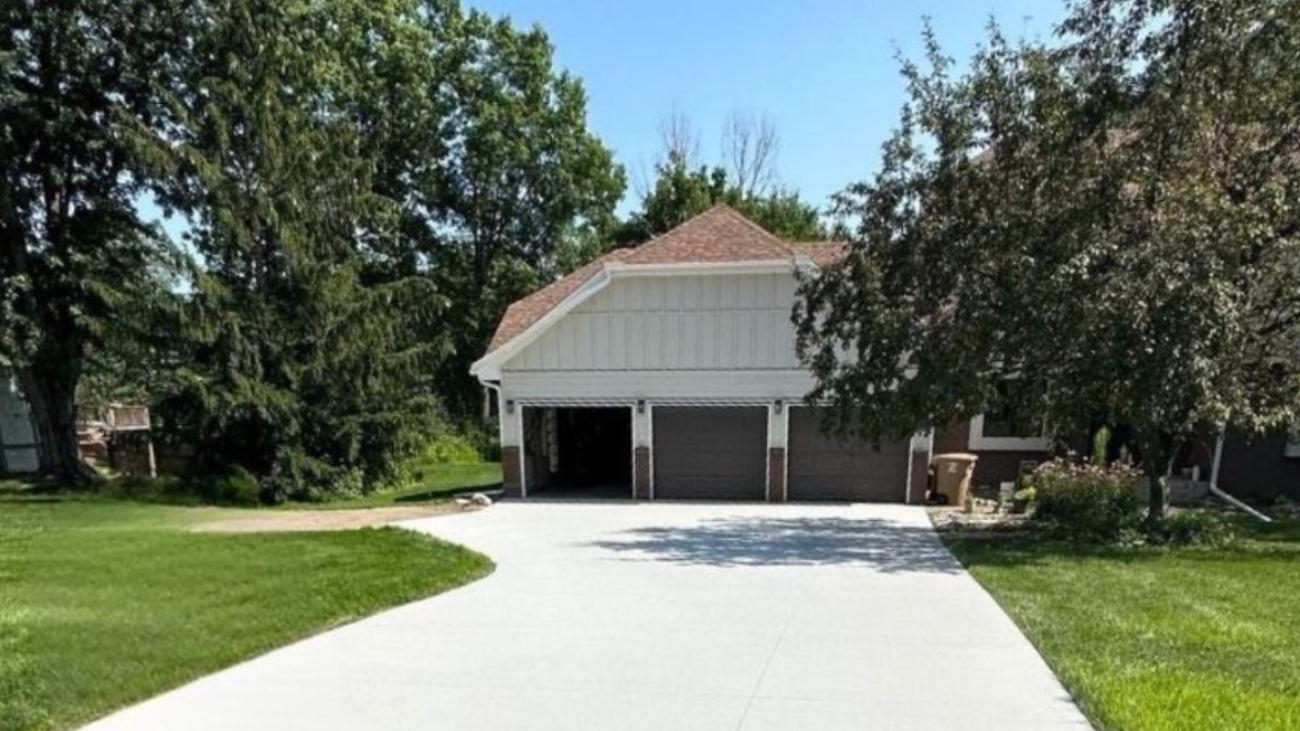
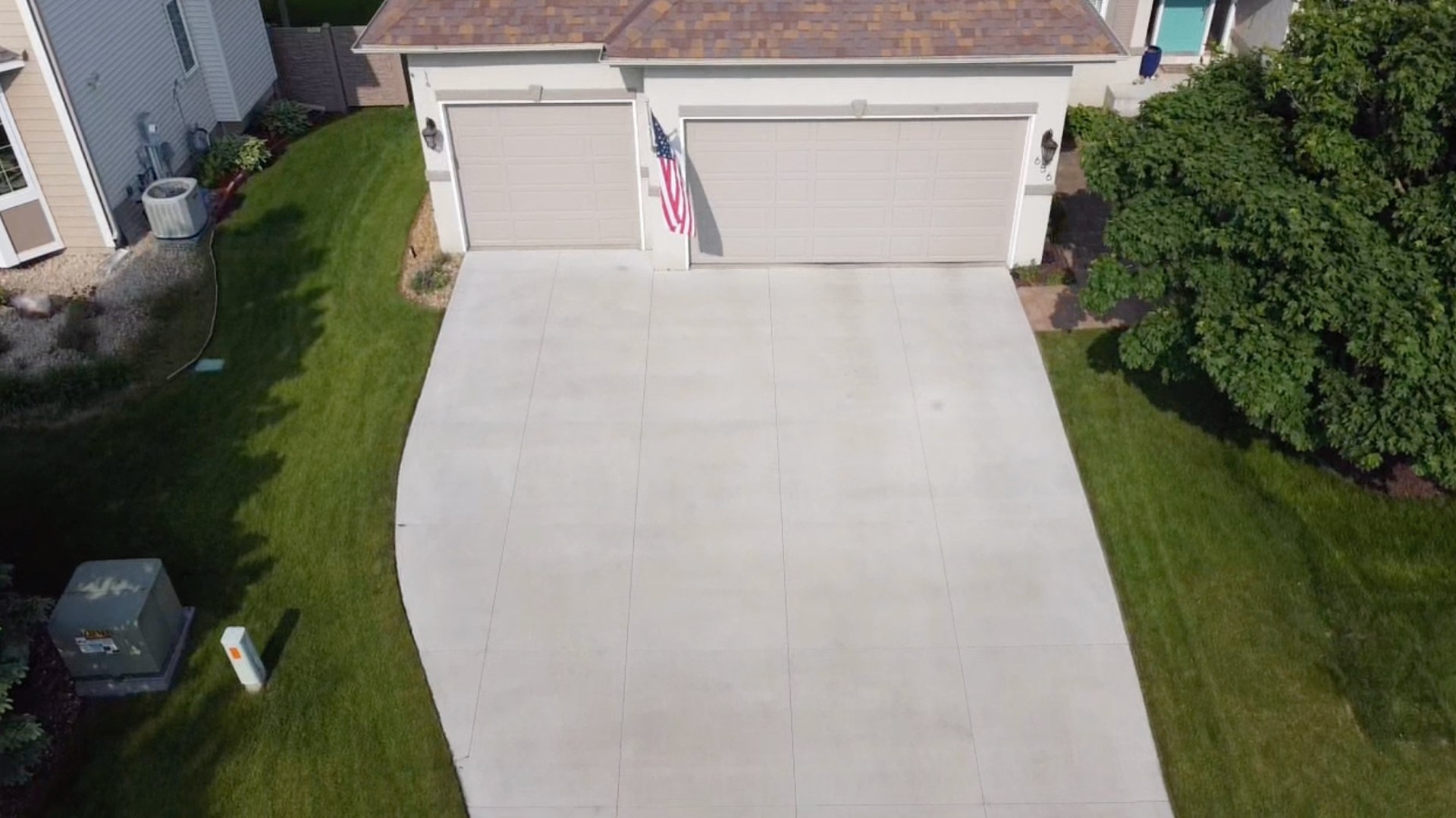
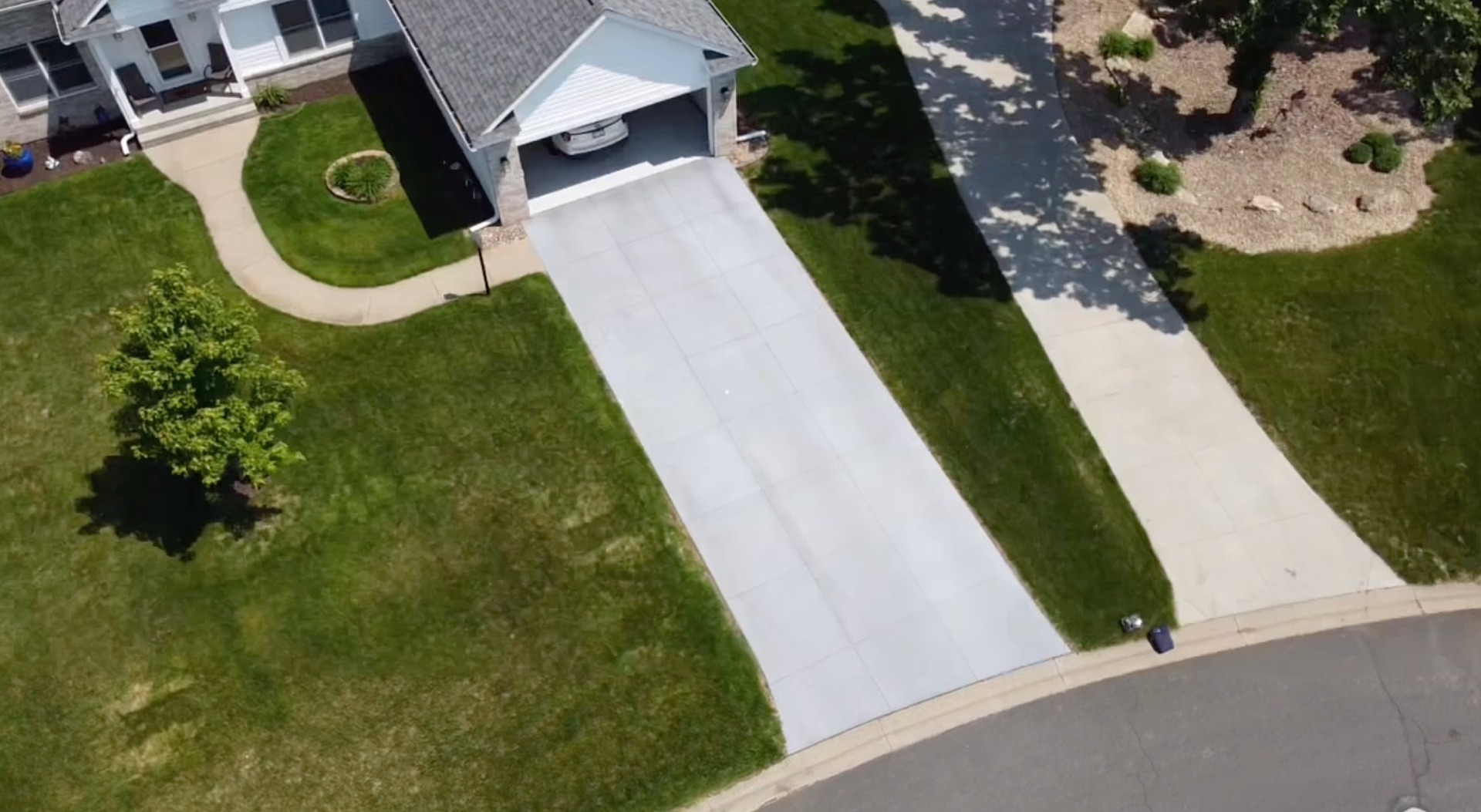
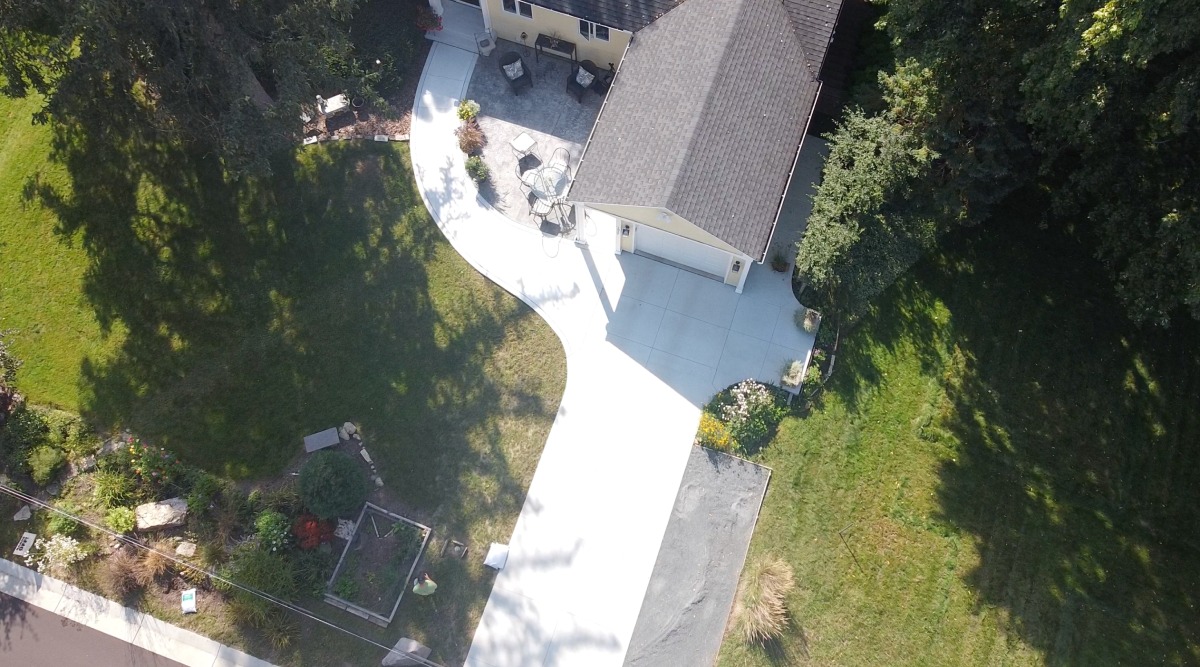
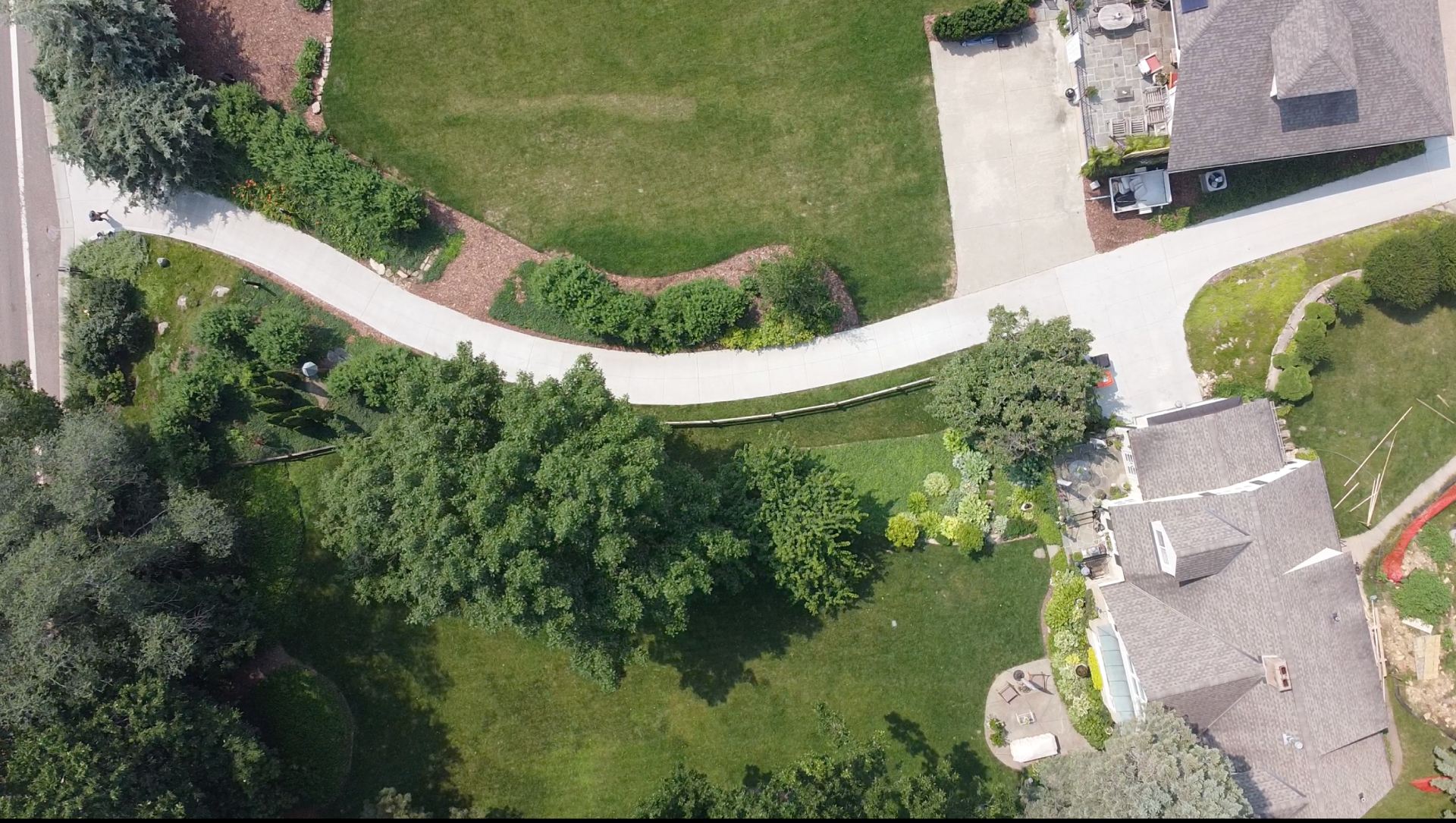
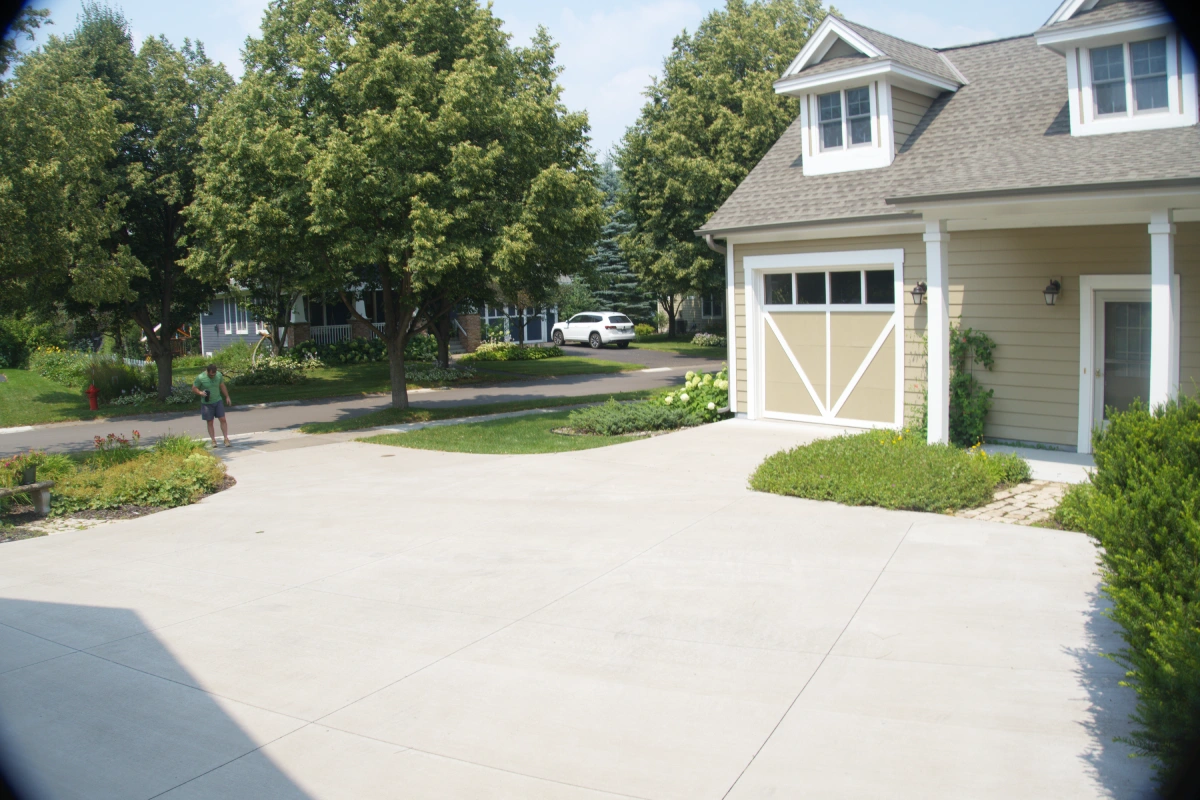
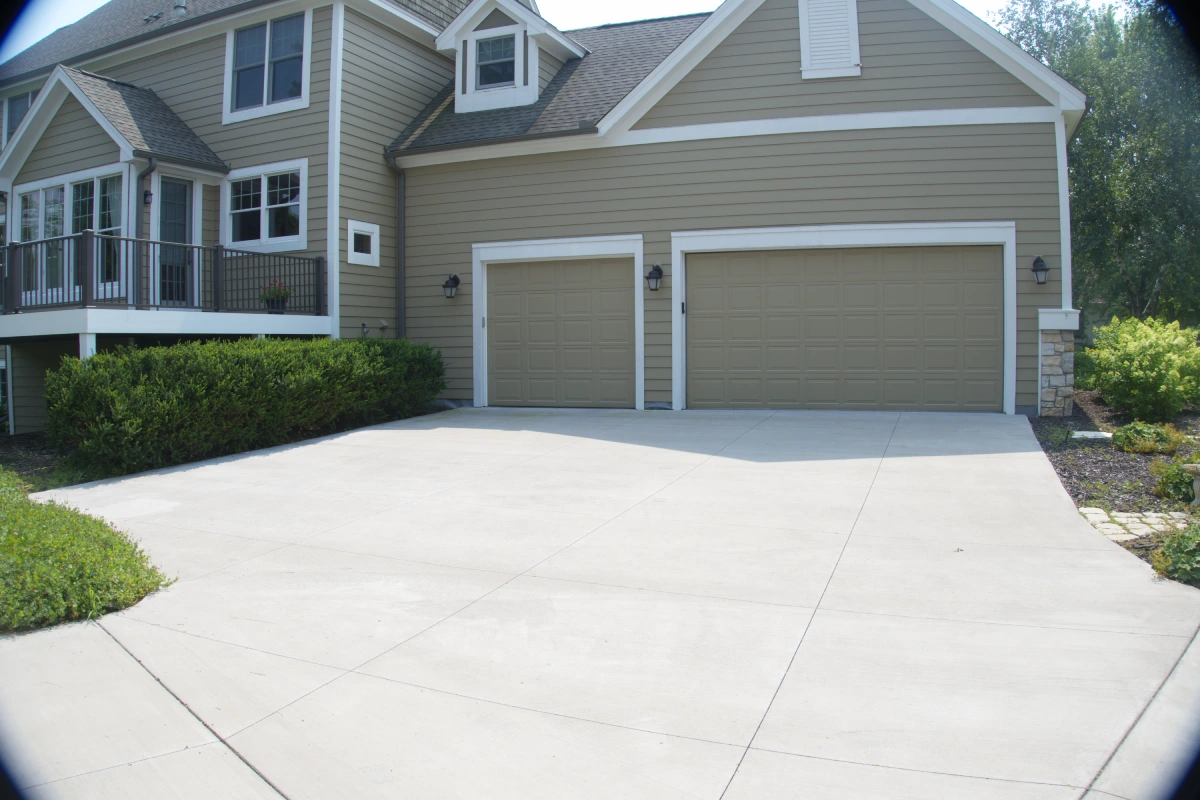
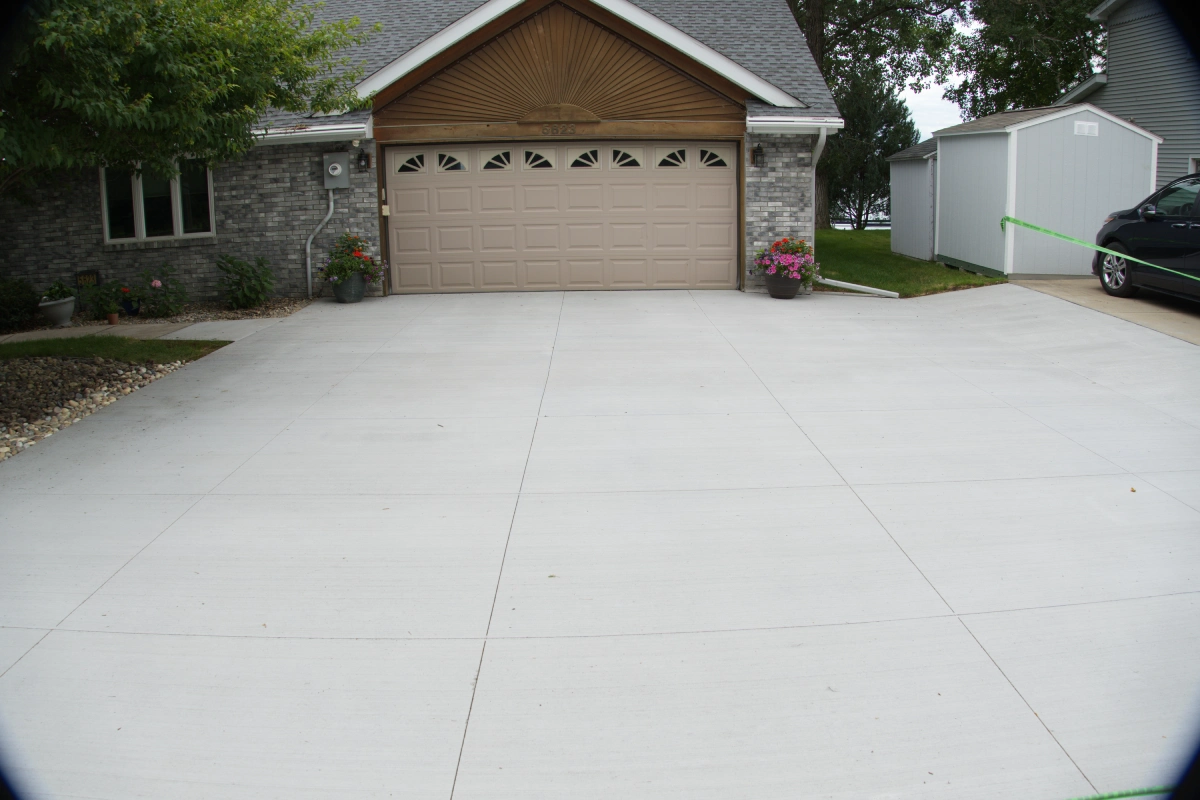
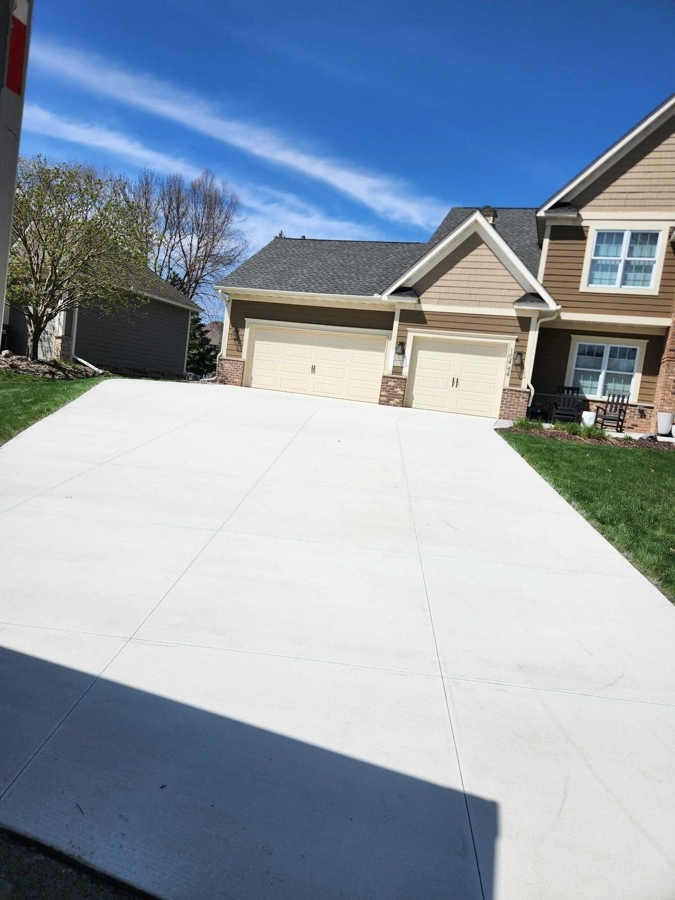
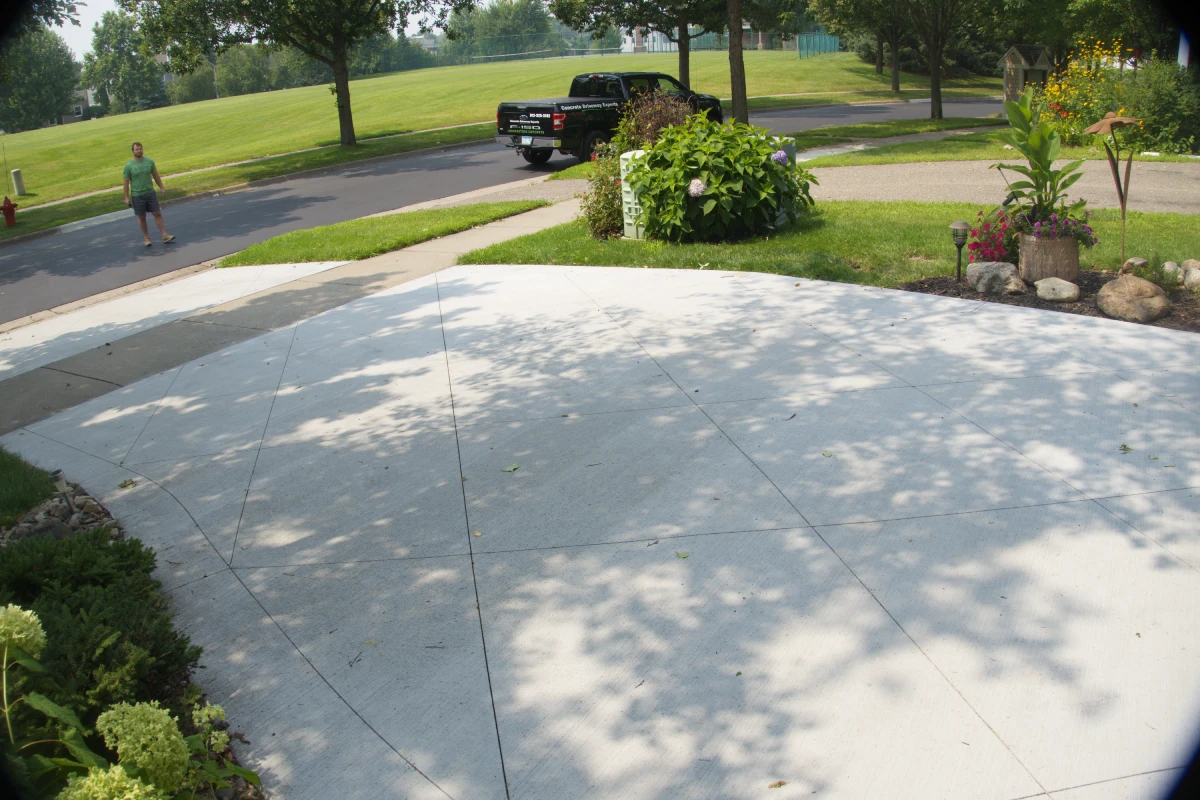
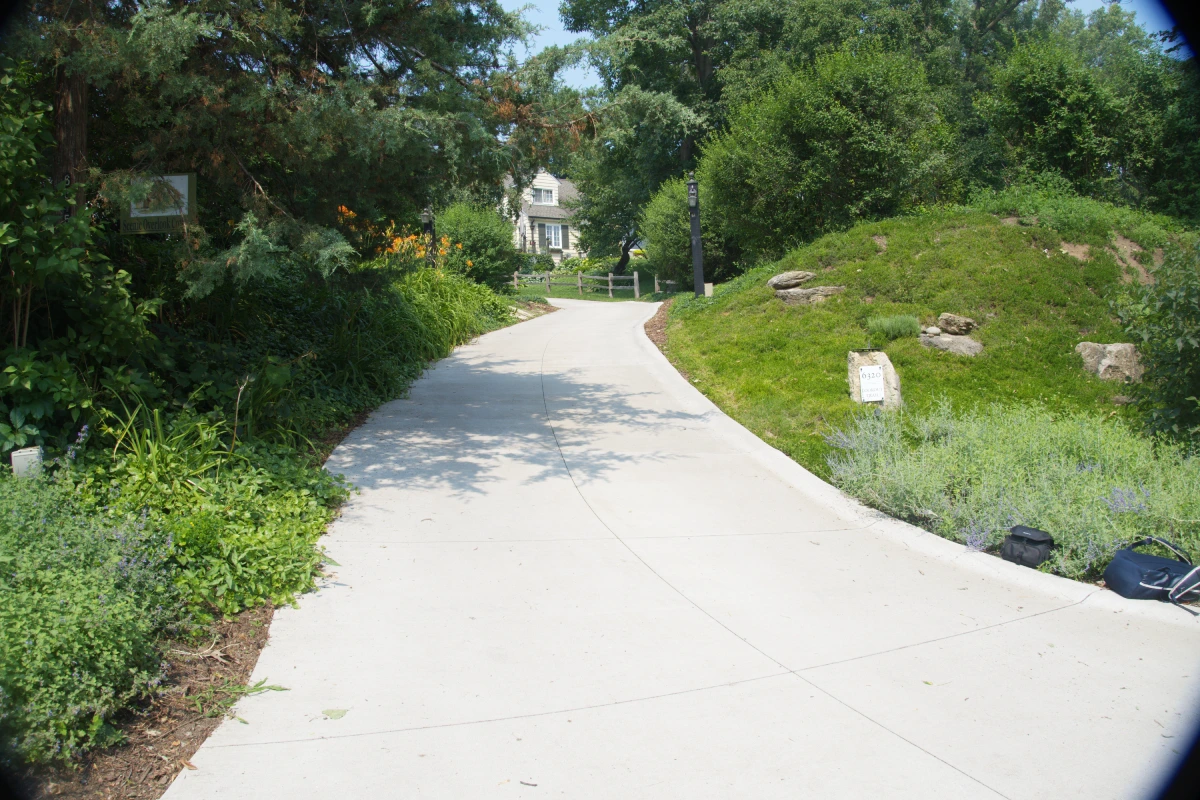
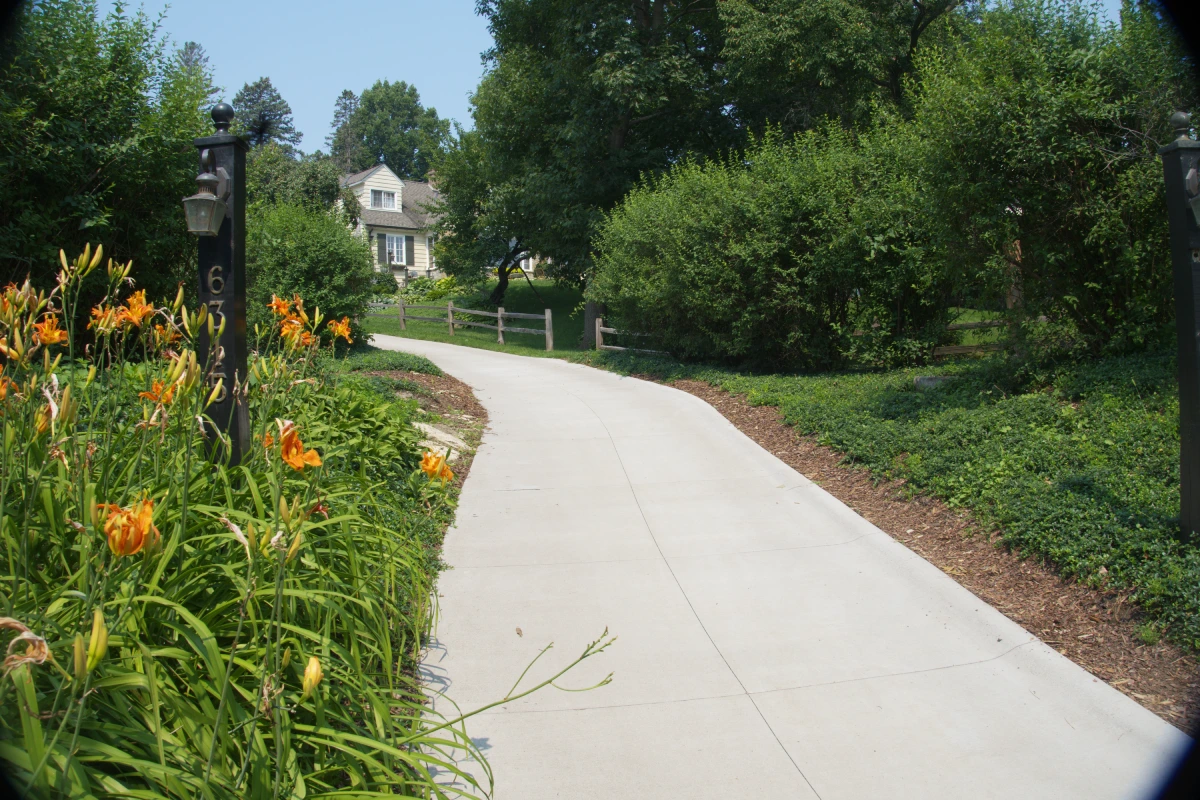
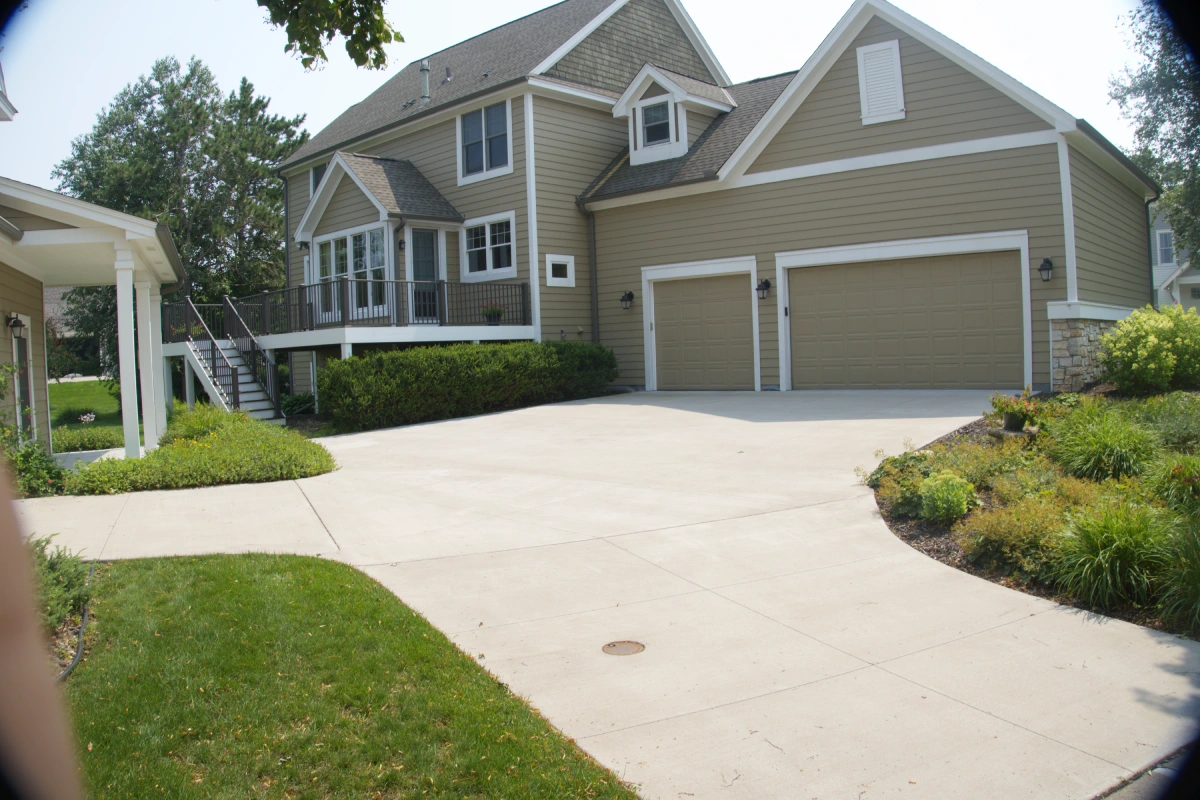
Driveway Transformations: Before & After
Our Process
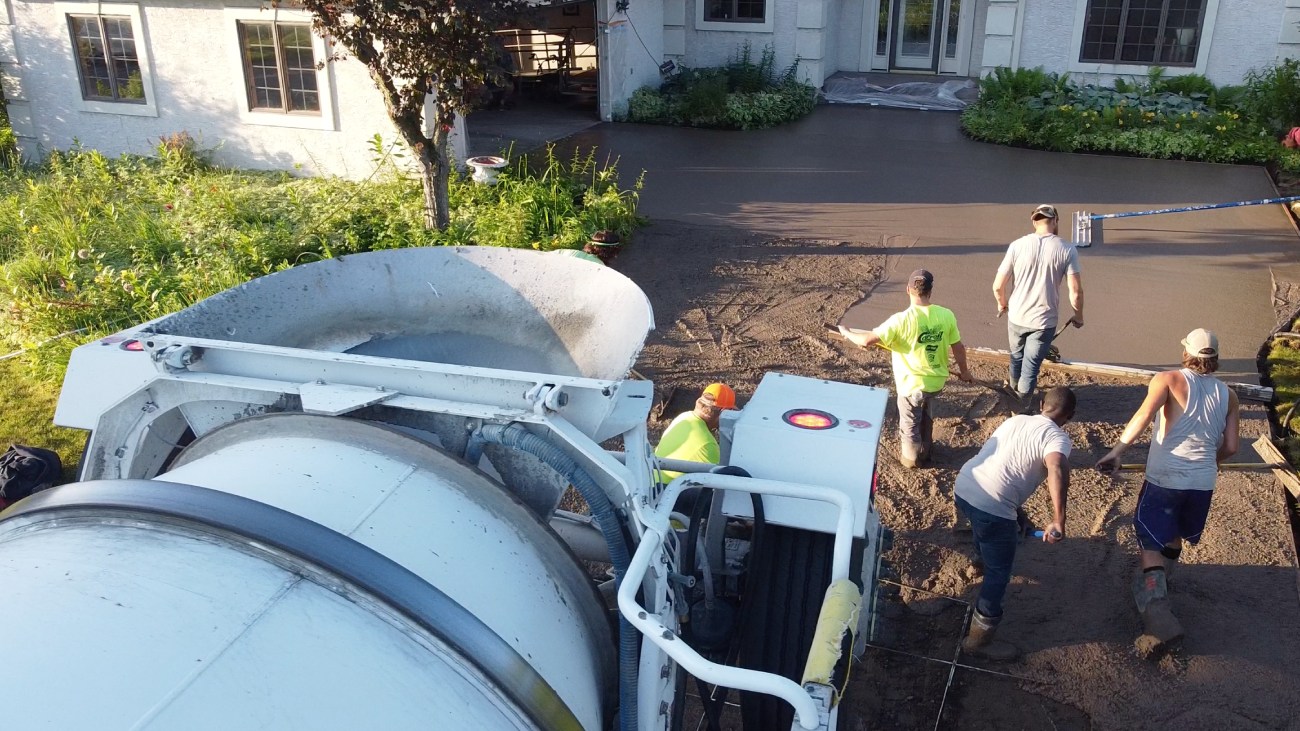
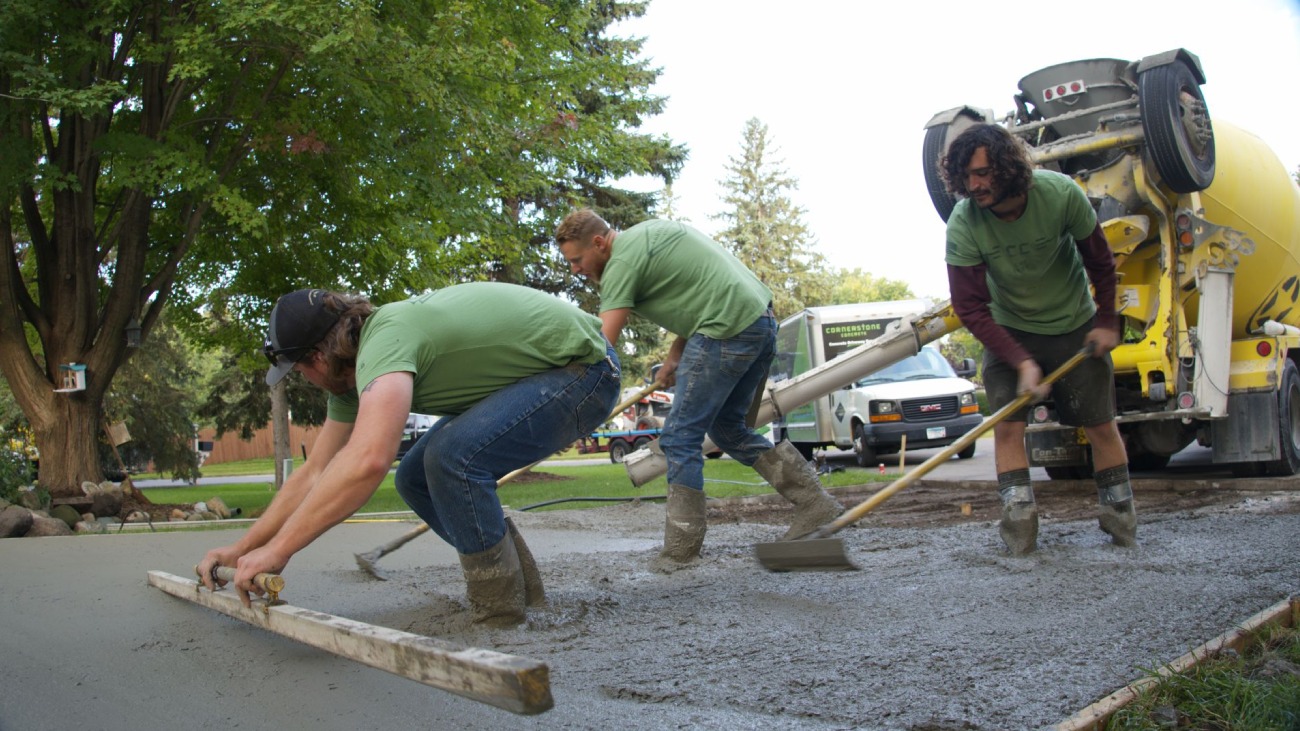
A full replacement follows the same four-crew process we use on every Cornerstone driveway. The difference on an apron call is the extra attention we give the spot where the driveway meets the garage.
1. Tear-Out
We remove all of the old asphalt, apron included, and dig out the base wherever it has softened. The garage edge gets a close look, since that's usually where the trouble began.
2. Set-Up
Forms go in, and the grade is set so the new slab sheds water away from the garage door. Thickness and slope are checked before any concrete arrives.
3. Pour
The crew places and finishes 4,500 PSI concrete, fiber-reinforced on most jobs, from the street or alley right up to the garage slab.
4. Cut and Clean
Control joints are cut to guide where the slab can crack, and we finish the edges with dirt and seed at no charge.
With a dedicated crew on each stage, the garage edge gets the same care as the rest of the slab, and nothing gets rushed to the next step.
More Concrete Services
An apron question often turns into a bigger conversation about the whole driveway. These pages cover the options that usually come up next.
Concrete Driveway Installation & Replacement
The full tear-out this page keeps coming back to: old asphalt or concrete out, base rebuilt, and a new driveway poured from the street to the garage slab.
Apron Only or the Whole Driveway: How We Make the Call
Both answers can be the honest one, depending on what the rest of the driveway is doing. Here’s what tips the decision on most St. Paul driveways we walk.
When an Apron Alone Can Hold Up
If the rest of the driveway sits flat, drains away from the house, and shows no ruts or spreading cracks, the problem may truly stop at the garage edge. A strip damaged by a utility dig or one isolated soft spot can fall into this group. Here, a standalone apron can be a sensible repair.
When the Whole Driveway Should Go
The warning signs show up away from the garage door: dips where tires roll or park every day, cracks branching across the surface, puddles that linger after rain, edges crumbling into the lawn. Those point to a base that’s failing throughout. A new apron would just be the newest piece of a driveway that’s still moving.
If an Apron Is the Right Fix for Your Home
Our crews are built around full tear-outs and new driveways, so we generally don’t take apron-only projects. When an apron by itself really is the better answer, we’ll say so plainly and point you to a contractor who does that work. You still walk away knowing what’s going on under your driveway.
Garage Apron or Street Apron? St. Paul Treats Them Differently
The apron this page is about sits on your lot, in front of the garage door. St. Paul also uses the word for the piece of driveway between the street and the sidewalk, which lies in the city right-of-way. Public Works has said it won’t maintain or repair those driveway aprons, so they stay the property owner’s responsibility, and when the city rebuilds a mainline sidewalk it typically redoes only the part of the apron that meets the new walk.
Work on that street-side apron follows its own rules, laid out in the city’s sidewalk and driveway apron guidance. Concrete in the right-of-way must be poured by a licensed contractor holding a Public Works sidewalk permit, asphalt isn’t allowed there without the Public Works Director’s approval, and the city’s contractor specs call for 6-inch residential aprons. On a full replacement, we confirm with the city what applies at your curb or alley before anything is poured.
What Asphalt Still Asks of You After a New Apron
A new concrete apron fixes one spot. The asphalt behind it keeps needing attention, usually in four ways.
Settling: Low spots keep deepening, and the apron’s edge makes the drop easier to feel.
Ruts: Tires press grooves where you drive and park, and those grooves hold water that freezes in winter.
Cracking: Freeze-thaw cycles open cracks that let water into the base, and they keep spreading until they’re filled, then open again.
Sealcoat: Asphalt gets recoated every few years. Minnesota banned coal tar sealers in 2014 over stormwater pollution, and today’s sealers still wear off and need reapplying.
Our concrete skips the sealer entirely. The protection goes in with the mix, additives, and finishing during the pour, so there’s nothing to wear away and nothing to buy again. It’s also a lighter footprint over the life of your driveway: no petroleum-based coating going down every few years, and none wearing off toward the storm drain.
The Cornerstone Difference
Cornerstone works out of North St. Paul, and our crews cover the east metro cities and western Wisconsin towns on our service area list. On an apron call, the difference shows up before any concrete is poured.
Honest recommendations: If an apron alone will do, we’ll say so.
Driveways only: In-house crews since 1989, no subcontractors.
Permits handled: We confirm St. Paul’s requirements and file for you.
You get a straight answer first, and a driveway built on a base that holds.
Ready to Work With a Trusted Residential Concrete Driveway Expert Near You?
Not sure yet whether it’s the apron or the driveway? You’re in good company, since most of our St. Paul calls start right there. We’ll come out, take a close look at the garage edge, see where the water’s going and how the rest of the asphalt is holding up, then tell you exactly what we’d do if it were our own house, with a written price to match. And if the honest answer is just an apron, you’ll hear that from us too. We’re one call away at (612) 325-3742, or the free estimate form works just as well.
1. Who Is Responsible for the Driveway Apron at the Street in St. Paul?
The property owner is. St. Paul Public Works says it won't maintain or repair private driveway aprons, even though they sit in the city right-of-way. Repairing or replacing one requires a licensed contractor with a sidewalk permit from Public Works.
2. Can the New Apron Be Asphalt to Match the Rest of My Driveway?
At the street, generally not: St. Paul doesn't allow asphalt driveway aprons in the right-of-way without approval from the Director of Public Works. In front of the garage it's your choice, though we pour concrete only. A concrete apron butted against aging asphalt is exactly the combination that tends to pull apart.
3. Will a New Driveway Line Up With My Garage Floor?
On a full replacement, yes. We set the forms so the new concrete meets the garage slab and falls away from the door, then carry that grade out to the street or alley. Fitting a new apron to old, still-settling asphalt is harder, and the fit rarely stays tidy.
4. Can I Widen the Driveway While It's Being Replaced?
Sometimes. St. Paul's zoning code generally limits a front-yard driveway to 12 feet where it reaches the street, allows extra width near the garage door, and caps total driveway and parking paving at 10 or 15 percent of the lot depending on the lot type. We check your lot against those limits before the layout is final.
5. How Long Will I Be Without My Garage?
Most projects take about five working days in good weather, with larger driveways taking longer. You can walk on the new concrete after 24 hours and drive on it after 10 days.