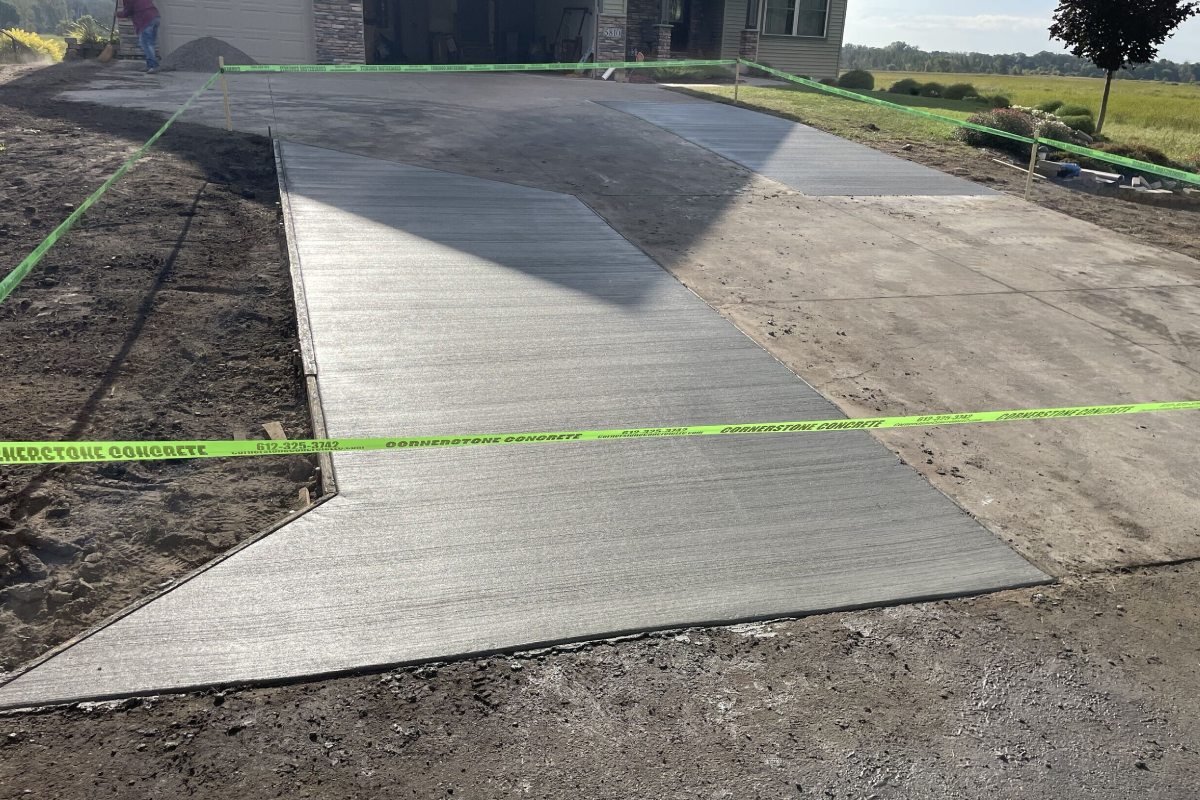
When considering a concrete driveway, one of the first questions we ask is, how much will it cost to install? On average, installing a concrete driveway can range from $9,000 to $15,000 or more, depending largely on size, thickness, and additional features like finishing or reinforcement. This price includes materials and labor but can shift based on location and contractor rates.
Understanding the factors influencing the cost helps us make smarter decisions and budget appropriately. From site preparation to curing time, several variables impact the final price, and knowing these can prevent surprises down the line.
We’ll break down these elements and give you a clearer picture of what to expect so that you can plan your driveway project with confidence and precision.
Factors Influencing Concrete Driveway Cost
Several elements play a role in determining the final price of a concrete driveway. These include the driveway’s dimensions, the specific materials we choose, and the work required to prepare the site.
Project Size and Options
The size of the concrete driveway significantly impacts the overall cost. Larger driveways need more concrete and labor, naturally increasing expenses.
Additional project options also affect cost. Features like decorative finishes, stamped patterns, or colored concrete add labor and material costs. We must consider whether to include expansion joints or customize the design, as these choices change the price.
Driveway shape matters too. Simple rectangular slabs cost less than irregular or curved layouts, which may require extra formwork and finishing.
Square Footage and Cost Per Square Foot
Concrete driveway cost is often expressed by the cost per square foot. This unit cost varies between $6 and $15 or more, depending on location and material quality.
We calculate the square footage by multiplying the driveway’s length by its width. This calculation helps estimate both the material quantity and labor hours.
Higher-end finishes or thicker slabs raise the cost per square foot. Standard thickness is usually 4 inches; increasing this adds concrete volume and cost.
Excavation and Slab Preparation
Proper excavation and preparation of the slab base are critical. We start by clearing and grading the site to ensure stability and proper drainage.
Excavation varies based on soil type, slope, and existing obstruction removal. Rocky or uneven ground requires more labor and machinery, increasing costs.
Base materials like gravel improve slab durability and affect pricing. Compacting the base adds to unit costs but prevents future damage, saving money over time.
Material Selection and Quality
Concrete and masonry materials greatly influence overall cost. Standard concrete is cheapest, but higher-strength mixes or specialty concretes cost more.
Additives like air-entrainment improve durability in freeze-thaw climates but raise material prices. We also select aggregate types, affecting texture and appearance.
Choosing sealed or pervious concrete impacts maintenance and cost. Sealed surfaces resist stains but add upfront cost, while pervious concrete costs more but helps with water runoff.
Material quality directly affects lifespan and performance, so it’s worth balancing cost with durability needs.

Concrete Driveway Installation Breakdown
Understanding the cost of installing a concrete driveway requires a clear look at its main components. These include the materials we need, the labor involved, the equipment used, and the overhead expenses associated with managing the project.
Basic Work and Job Supplies
The foundation of the cost comes from the basic groundwork and the materials we use. This includes site preparation like clearing and grading the area where the driveway will be installed. We must also consider materials such as concrete mix, rebar for reinforcement, and forms to shape the driveway.
Job supplies extend to things like vapor barriers and expansion joints, which protect the integrity of the concrete. The quality and quantity of these supplies directly affect the cost. For example, thicker concrete or added reinforcements increase the price but improve durability.
Installation Labor and Labor Setup Time
Labor constitutes a significant portion of the cost. It covers the time spent on mixing, pouring, and finishing the concrete. Skilled workers are needed to ensure proper installation, prevent cracks, and ensure smoothness.
Labor setup time includes preparing the site before pouring, setting up forms, and arranging tools. This setup phase can take several hours, depending on the project’s complexity. The more detailed the driveway design, the longer the setup, impacting the labor cost.
Equipment Allowance and Sales Tax
Specialized equipment is necessary for efficient installation. This includes concrete mixers, vibrators to remove air bubbles, and finishing tools. We factor in an equipment allowance to cover rental or operating costs for these machines.
Sales tax applies to both the job supplies and labor in most areas. It varies by location and can add several percentage points to the overall project cost. We always include this in the final estimate to avoid surprises.
General Contractor Overhead
General contractor overhead covers indirect costs related to managing the driveway installation. This includes scheduling, permits, insurance, and administrative work. It also accounts for profit margins and ensures the project runs smoothly from start to finish.
These overhead costs are usually a percentage of the total project price. While not always visible to the customer, they are necessary to cover the business side of professional installation services.

Comparing Concrete Driveways With Other Materials
Understanding the cost differences and functional benefits between concrete and other common driveway materials helps us make informed choices. We focus on how concrete stands against asphalt driveways, pavers, and concrete patios in terms of durability, installation, and maintenance.
Concrete Driveway vs. Asphalt Driveway
Concrete driveways generally cost more upfront than asphalt, typically ranging from $4 to $10 per square foot ore more compared to asphalt’s $3 to $7 or more. However, concrete lasts longer—up to 30-40 years—while asphalt may need replacement every 15-20 years.
Maintenance for asphalt involves regular sealcoating every 2-3 years to prevent cracking. Concrete requires less frequent maintenance but may develop surface cracks that need patching.
Concrete is more resistant to heat and oil stains, making it a good choice for hot climates and heavy vehicle use. Asphalt is more flexible and less prone to cracking in freeze-thaw cycles, which benefits colder regions.
Concrete Driveway vs. Pavers
Pavers are typically more expensive, costing between $8 and $15 per square foot or more, but offer exceptional aesthetic versatility. With pavers, we can create patterns or colors, something concrete alone cannot easily match.
Concrete installation is faster and often more cost-effective for large surface areas. Pavers require more labor for base preparation and installation, which adds to costs and time.
In terms of durability, pavers can shift over time and may need regular leveling and weed control. Concrete has a solid slab structure, though cracks are the primary concern. Pavers allow easier repairs by replacing individual units.
Concrete Driveway vs. Concrete Patio
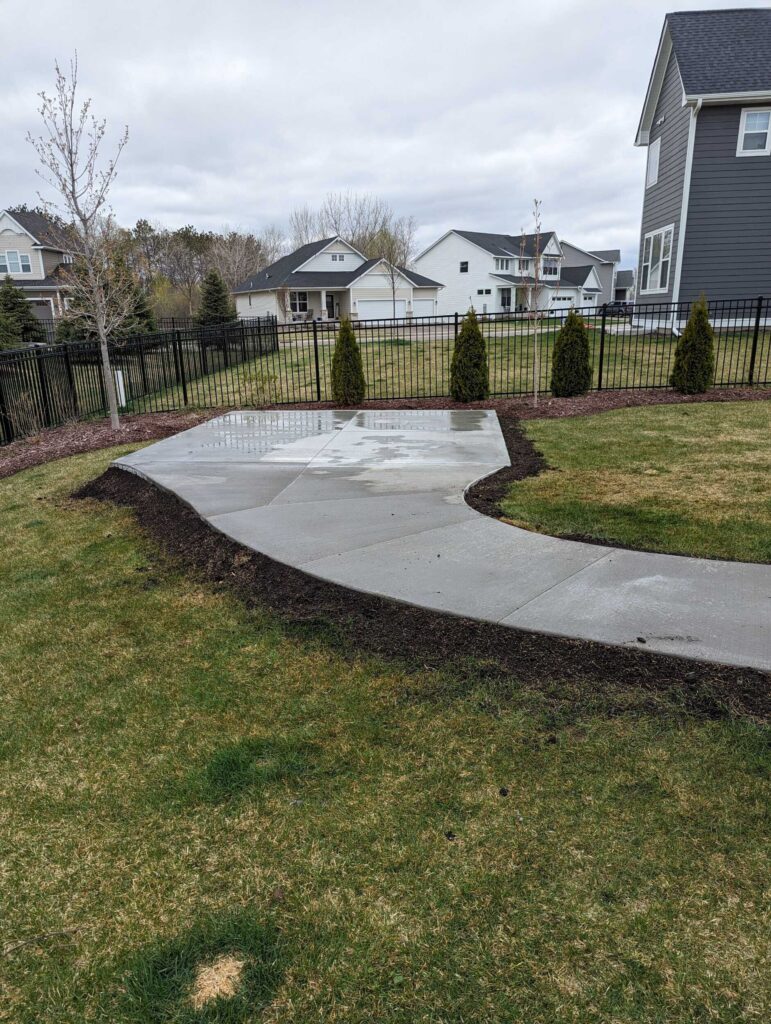
Concrete patios and driveways both use similar materials but differ in thickness and reinforcement. Driveways require thicker slabs (at least 4 inches) with more reinforcement to handle vehicle weight, while patios are thinner and designed for foot traffic.
Cost-wise, patios usually run about $6 to $12 per square foot or more, slightly less than driveways, due to reduced material and preparation requirements.
Functionally, patios focus on appearance and comfort, allowing more decorative finishes. Driveways prioritize durability and load-bearing capacity, which influence concrete mix and finishing techniques.
Budgeting and Hiring for a Concrete Driveway Project
Understanding the factors that affect our budget is crucial before starting. We need to assess both cost estimates and the right professionals to hire. Location, materials, and labor all influence the final price.
Estimating Costs With a Cost Calculator
Using a cost calculator can give us an initial budget range based on driveway size, thickness, and finish options. Many online calculators ask for dimensions and material preferences to estimate labor and material expenses.
These tools help us compare prices across suppliers and contractors quickly. While not exact, they provide a solid starting point to set realistic expectations and avoid surprises during the project.
Homewyse Benchmarks and Unit Costs
Homewyse provides detailed unit costs for concrete driveway installation, including materials, labor, and equipment. Their benchmarks reflect regional price variations and can guide us in evaluating contractor bids.
For example, Homewyse lists typical costs like $6 to $10 per square foot or more for concrete slabs, depending on thickness and finishes. Accessing these unit costs helps us verify quotes and understand where money is spent.
Choosing and Hiring a Driveway Contractor
Hiring a qualified driveway contractor demands checking experience, licensing, and reviews. We should get multiple bids and ensure each includes a detailed scope to compare apples to apples.
Local contractors often have better knowledge of regional regulations and materials availability. Confirming insurance and warranties protects us from liability and ensures commitment to quality work.
The Importance of Project Zip Code
Our zip code directly impacts material costs, labor rates, and permit fees. Urban areas may have higher labor costs, while rural locations might see increased transportation expenses.
Zip codes also determine which contractors are nearby and qualified. Using it in cost calculators or quotes results in more accurate and tailored project estimates.
When can I walk and drive on my new concrete driveway?
You can walk on your new concrete driveway 24 hours after it’s poured. However, it’s recommended to wait 10 days before driving on it to ensure the concrete has fully cured and can withstand vehicle weight.
Why does my concrete driveway appear to have different colors or blotchy spots?
It’s normal for new concrete to look blotchy or have color variations during the curing process, which takes about 28 days. Over time, the concrete will weather and darken, resulting in a more uniform appearance.
How should I care for my concrete driveway during winter?
Avoid using salt on your concrete driveway, as it can cause damage. Instead, use a traction aid like Cherry Stone Grit™, which is safe for concrete surfaces. Additionally, ensure proper drainage to prevent water accumulation and potential freezing issues.
What causes leaf stains on my concrete driveway, and how can I remove them?
Leaf stains are common and can occur when leaves sit on the concrete surface for extended periods. While there isn’t a specific product guaranteed to remove these stains, they often fade or disappear after winter due to natural weathering.
What should I do about my in-ground sprinklers before driveway installation?
If you have in-ground sprinklers adjacent to the driveway area, mark the sprinkler heads with paint, wood stakes, or wire flags. If the driveway is being extended and you wish to reuse the sprinkler heads or lines, remove them at least one foot beyond the new driveway extension. After the driveway installation, it’s the homeowner’s responsibility to arrange for the irrigation system to be reinstalled.